
Watchtower AllianceIntelligent Infrastructure Partner

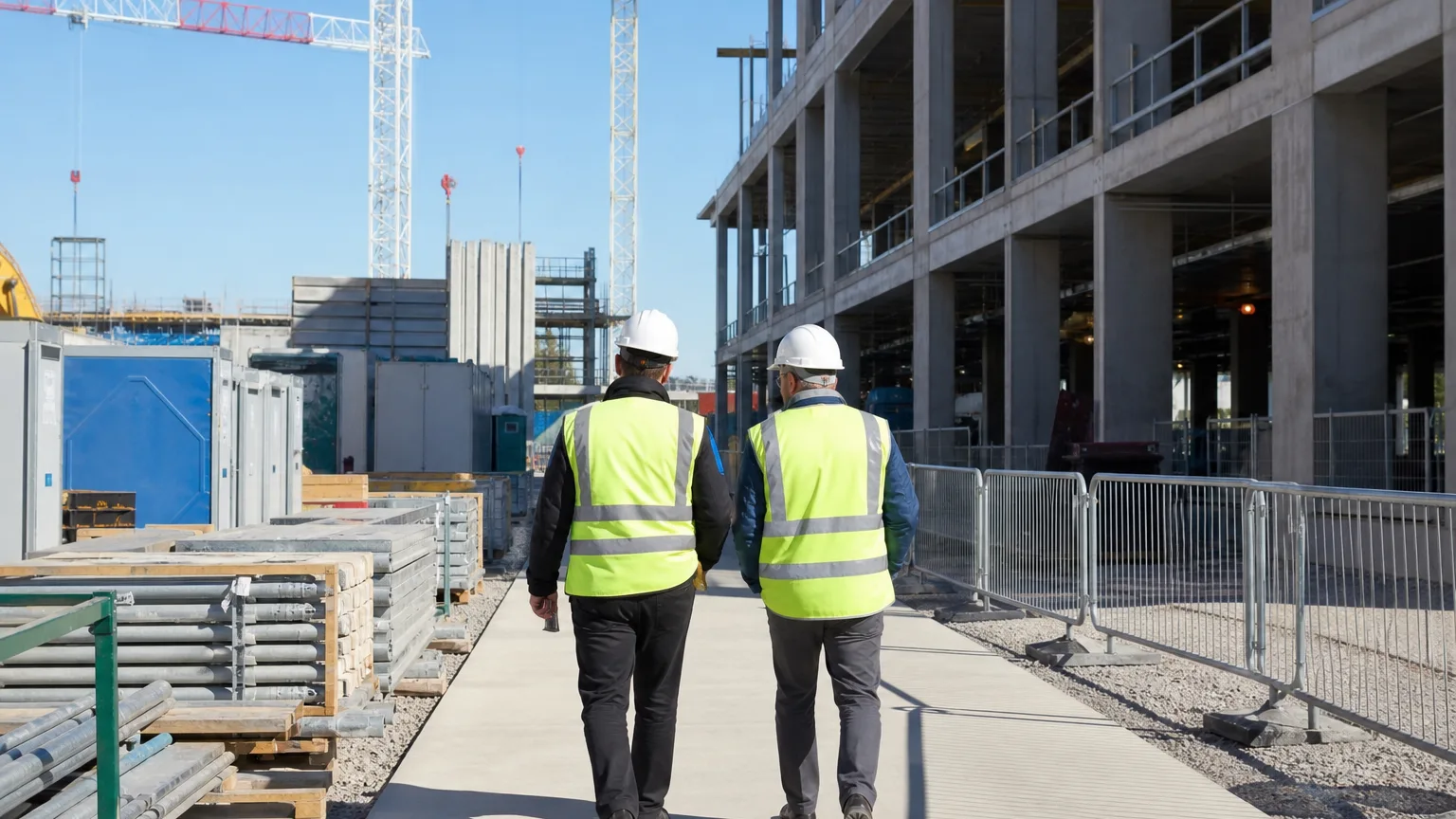
Organized commercial construction progress representing disciplined infrastructure methodology

Watchtower Method

Nine stages. One accountable team. Full infrastructure lifecycle ownership.

Peace of mind through intelligent infrastructure.

Every engagement follows the Watchtower Method—the single lifecycle model that aligns stakeholders, engineers unified strategy, delivers with documentation, and supports operations over time.

The Watchtower Blueprint is the property systems map. The Watchtower Method is how that map is delivered and stewarded over time.

INFRASTRUCTURE PLANNING DIAGRAMWATCHTOWER ALLIANCE04Executive Visibility03Lifecycle Operations02Connected Systems01Infrastructure FoundationCommercial PropertyOffice · Mixed-Use · Campus · Community

Lifecycle Accountability

Watchtower remains accountable throughout the entire property lifecycle.

From first discovery through long-term evolution—one team owns infrastructure strategy, delivery, operations, optimization, and future readiness.

  1. Step 1

    Discovery

    Understand property goals, stakeholders, and the operational outcomes leadership expects from infrastructure.

  2. Step 2

    Planning

    Architect unified infrastructure strategy—pathways, continuity, governance, and lifecycle cost—before constraints accumulate.

  3. Step 3

    Engineering

    Detail technology rooms, power, network, integration, and low-voltage specifications for reliable execution.

  4. Step 4

    Deployment

    Execute with engineering discipline, professional standards, and documented commissioning.

  5. Step 5

    Integration

    Integrate systems into daily workflows so operations run efficiently from day one.

  6. Step 6

    Protection

    Enable monitoring, access policies, and safeguards that support business continuity and risk reduction.

  7. Step 7

    Operations

    Deliver ongoing partnership, maintenance, and technical response as one accountable team—not a vendor list.

  8. Step 8

    Optimization

    Tune performance, coverage, and system health to reduce lifecycle cost and operational friction.

  9. Step 9

    Continuous Evolution

    Plan upgrades and expansion as property needs change—keeping infrastructure AI-ready and future-proof.

Explore the full methodology

Nine Stages

Each stage has purpose, deliverables, and ownership outcomes.

The Watchtower Method is not a slogan. Every stage produces accountable progress from discovery through continuous evolution.

  1. Stage 1

    Discovery

    Purpose

    Understand property goals, stakeholders, constraints, and the operational outcomes leadership expects.

    Business value

    Prevents building the wrong system for the right building.

    Deliverables

    • Stakeholder and requirement alignment
    • Property and portfolio context map
    • Initial risk and opportunity framing

    Customer outcome

    Leadership shares one clear definition of success before design hardens.

  2. Stage 2

    Planning

    Purpose

    Architect unified infrastructure strategy—pathways, capacity, continuity, governance, and lifecycle cost.

    Business value

    Locks in optionality while change is still inexpensive.

    Deliverables

    • Infrastructure strategy framework
    • Pathway and room planning guidance
    • Phasing aligned to construction milestones

    Customer outcome

    A plan ownership and construction teams can execute without speculative scope.

  3. Stage 3

    Engineering

    Purpose

    Detail technology rooms, power, network, integration, and low-voltage specifications for reliable execution.

    Business value

    Converts strategy into buildable, serviceable infrastructure.

    Deliverables

    • Engineering coordination packages
    • System architecture and standards
    • Integration and continuity design

    Customer outcome

    Trades and partners work from one engineered model—not conflicting assumptions.

  4. Stage 4

    Deployment

    Purpose

    Execute with engineering discipline, professional standards, and documented commissioning.

    Business value

    Protects schedule quality and reduces rework at the finish line.

    Deliverables

    • Coordinated installation
    • Commissioning records
    • Turnover-ready documentation packages

    Customer outcome

    Systems go live with accountability and evidence—not tribal handoffs.

  5. Stage 5

    Integration

    Purpose

    Connect systems into daily workflows so operations run efficiently from day one.

    Business value

    Turns installed technology into usable operations.

    Deliverables

    • Workflow integration across systems
    • Operator readiness alignment
    • Cross-system continuity checks

    Customer outcome

    Teams work one connected environment instead of siloed tools.

  6. Stage 6

    Protection

    Purpose

    Enable monitoring, access policies, and safeguards that support continuity and risk reduction.

    Business value

    Reduces operational surprise after occupancy.

    Deliverables

    • Policy and escalation design
    • Monitoring readiness
    • Continuity safeguards

    Customer outcome

    Leadership gains clearer response posture without fragmented vendors.

  7. Stage 7

    Operations

    Purpose

    Deliver ongoing partnership, maintenance, and technical response as one accountable team.

    Business value

    Keeps infrastructure healthy after the ribbon cutting.

    Deliverables

    • Service operating rhythm
    • Maintenance planning context
    • Role-based operational support

    Customer outcome

    Owners and managers inherit a partner—not a warranty chase.

  8. Stage 8

    Optimization

    Purpose

    Tune performance, coverage, and system health to reduce lifecycle cost and friction.

    Business value

    Improves outcomes without defaulting to rip-and-replace projects.

    Deliverables

    • Performance review cycles
    • Adjustment recommendations
    • Lifecycle cost awareness

    Customer outcome

    The asset gets better over time under accountable stewardship.

  9. Stage 9

    Continuous Evolution

    Purpose

    Plan upgrades and expansion as property needs change—keeping infrastructure AI-ready and future-proof.

    Business value

    Protects capital by evolving the foundation instead of discarding it.

    Deliverables

    • Upgrade and expansion pathways
    • Standards refresh guidance
    • AI-readiness and capacity planning

    Customer outcome

    The property remains ready for the next operating requirement.

Why planning first matters

Technology rooms, pathways, power, and integration points are cheapest to get right before construction locks them in. Late scope additions create change orders, fragmented vendors, and turnover gaps ownership teams inherit for years.

Developer and ownership value

Developers protect schedule and certificate-of-occupancy readiness. Owners and operators inherit documented infrastructure, clearer accountability, and a partner who remains responsible after installation day—not a stack of unrelated warranties.

Lifecycle strategy, not install-day thinking

The Method connects discovery, engineering, deployment, operations, optimization, and evolution under one accountable team. Watchtower OS carries documentation and visibility forward so stewardship continues after systems go live.

What happens next

Schedule a strategy consultation. We map your asset, timing, and operational outcomes to the Method stages that apply—then outline the programs and partnership path that protect long-term performance.

The Watchtower Method connects strategy, delivery, and lifecycle stewardship under one operating model—so ownership teams inherit operational confidence while Watchtower remains accountable for the infrastructure. We take responsibility for your property technology infrastructure—so ownership teams can focus on operating exceptional assets.

See how the Watchtower Method governs every engagement.

Nine stages. One accountable team. Full infrastructure lifecycle ownership—from discovery through long-term stewardship.